















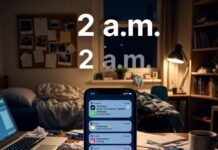









Okay real talk — digital literacy skills are the difference between gliding through college and constantly feeling like you’re one bad click away from disaster. I’m writing this from my apartment right now, January 2026, heat blasting because it’s freezing outside, empty ramen bowl next to the keyboard, and I’m still the guy who sometimes forgets to log out of public computers at the library. Embarrassing? Yes. Relatable? Probably for way too many of us.
I thought I was pretty internet-savvy coming into college. Spoiler: I was not. I once spent three hours trying to recover my email after clicking “your package is waiting” from a sketchy text while waiting for the campus shuttle in the rain. That’s when I realized digital literacy skills aren’t optional extras — they’re basic survival gear.
Why Most College Kids (Including Me) Are Still Terrible at Digital Literacy Skills
We’re bombarded 24/7. Group chats blowing up, professors posting links in Canvas at midnight, TikTok “study with me” videos that are secretly ads, random group project Discord servers full of people sharing Google Drives labeled “FINAL FINAL FINAL v6.docx”. It’s chaos. And most of us just wing it.
I’ve sent PDFs with my full legal name and student ID to people I met two weeks ago because “eh they seem chill.” I’ve argued in comment sections using sources I never actually read. I’ve had my Instagram story used in ways I didn’t expect because I didn’t understand privacy settings. If any of that sounds familiar, congrats — you’re normal, but you’re also vulnerable.
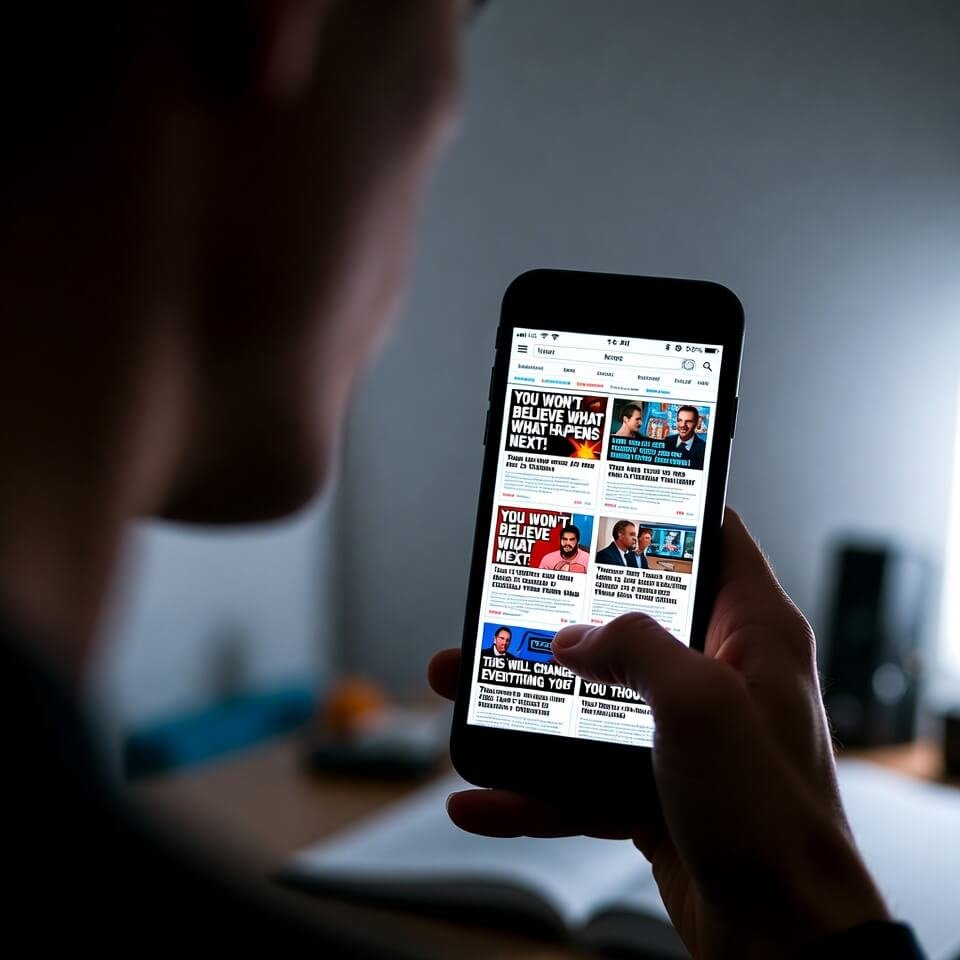
1. Actually Checking If Something Is Bullshit (Critical Thinking & Source Evaluation)
This is the biggest one and I’m still bad at it sometimes.
I used to read a headline, feel the emotion, and share. Full stop. Sophomore year I reposted some wild claim about campus Wi-Fi giving you cancer (yes really) because the graphic looked scary and official. Got absolutely flamed in the comments. Deserved.
Now I at least try to:
- Look at who wrote it (random blog with ads everywhere? Suspicious)
- Check the date (2021 article about “current” events? Nope)
- See if legit outlets are covering the same thing
- Reverse-image search anything too perfect
It takes 30 extra seconds and saves a lot of humiliation. Resources like Snopes, FactCheck.org or even just Google “[claim] debunked” are free and faster than arguing online.
2. Not Getting Hacked Every Semester (Online Safety & Password Hygiene)
I reused “muttley2003” for literally everything until junior year when someone got into my Spotify, changed my playlist to nonstop country, and started messaging my friends from my account. Peak violation.
Basic digital literacy skills here:
- Use a password manager (I finally started last year — Bitwarden free tier slaps)
- Turn on 2FA everywhere possible (even if it’s annoying)
- Don’t log into banking or email on public Wi-Fi without a VPN
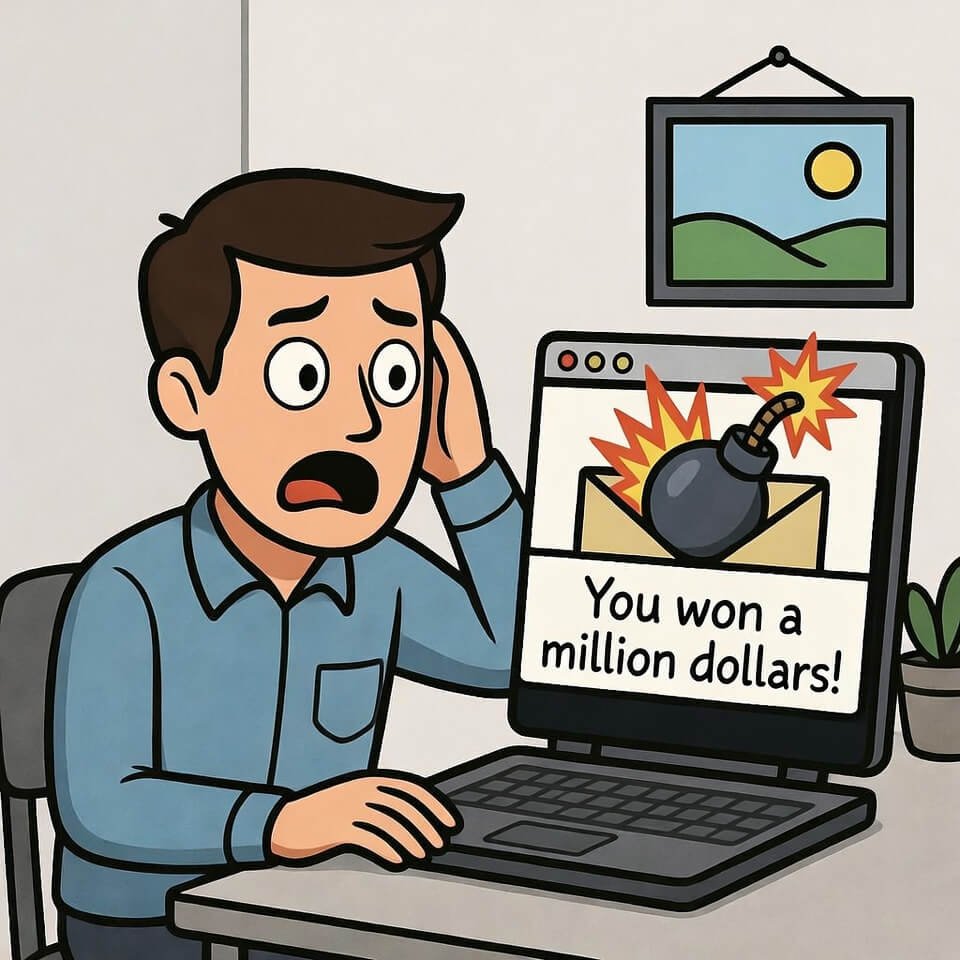
- Recognize phishing (if it’s urgent and scary and has typos, it’s fake 9 times out of 10)
I still occasionally click suspicious links when I’m half-asleep. Human moment.
3. Knowing When You’re Being Sold Something (Media & Ad Literacy)
College is prime target time for every scammy “side hustle,” crypto scheme, dropshipping course, “free” MacBook survey, etc.
I almost bought into one of those “learn to trade forex in 7 days” things because the Instagram reel had cool graphics and a Lambo. Thank god I showed my roommate — he laughed so hard he cried.
Now I ask:
- Is the person selling me something?
- Are they showing only wins and never losses?
- Is the “proof” just screenshots anyone can fake?
If it sounds too good and they’re pressuring you, walk.
4. Not Sharing Your Whole Life Accidentally (Privacy & Digital Footprint Awareness)
I posted so many drunk stories freshman year. They’re still out there. Employers can find them. Future partners can find them. Future me is already embarrassed.
Digital literacy skills level-up:
- Check tagged photos and remove yourself
- Use “close friends” or archive stories instead of deleting
- Google yourself every few months (terrifying but necessary)
- Understand that screenshots exist forever
I’ve had old group-chat screenshots resurface in ways that made me want to disappear. Learn early.
5. Using Tools Instead of Fighting Them (Basic Digital Tool Fluency)
So many students still email themselves 47 versions of the same paper.
I finally started using:
- Notion / Obsidian for notes (instead of 900 Google Docs)
- Zotero or Mendeley for citations (no more losing sources at 4 a.m.)
- Calendar blocking (otherwise I just doom-scroll)
- Two monitors when possible (game changer for research)
You don’t need to code, but knowing keyboard shortcuts, how cloud storage actually works, and how to organize files so you don’t lose your thesis the night before it’s due… that’s digital literacy skills in practice.
Wrapping this up because my eyes hurt and the ramen smell is getting stronger.
These aren’t sexy skills. They’re not the stuff people make TikToks about. But they’re the difference between feeling in control and constantly playing catch-up with stress.