




























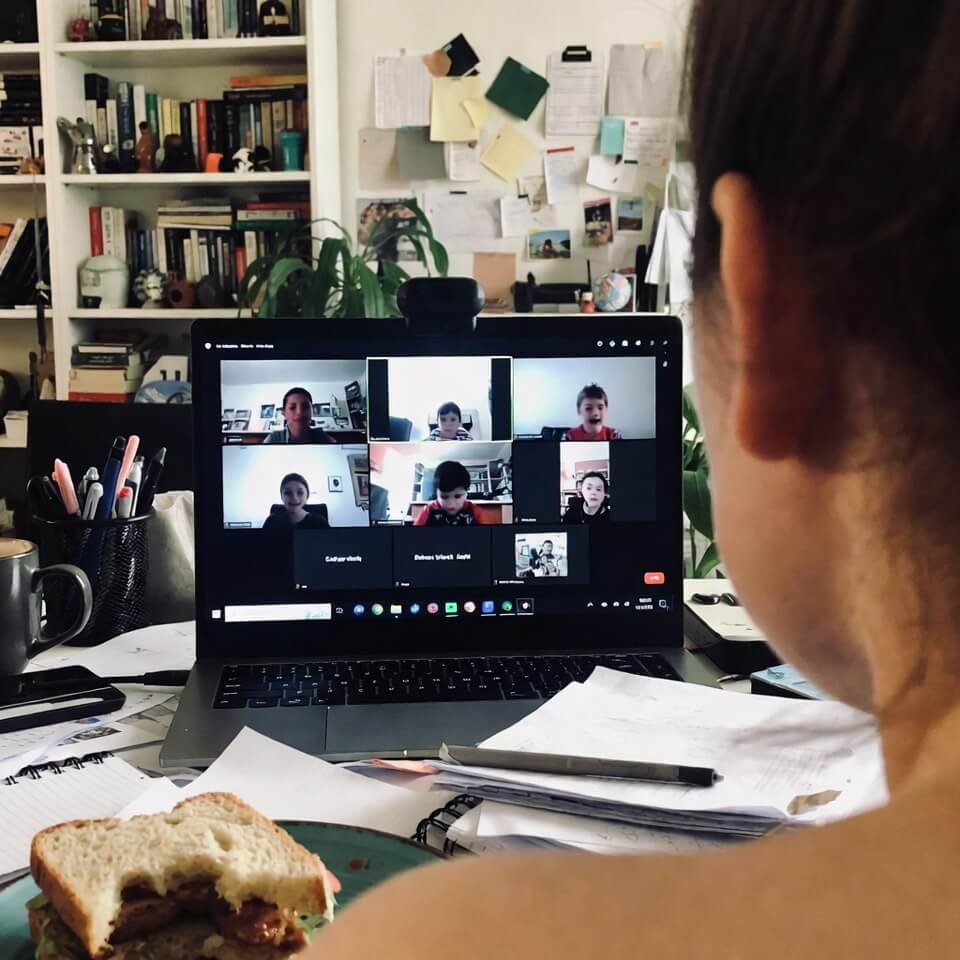
Virtual classrooms, man, they’ve totally snuck up on me like that one time I tried to “adult” by setting up a home office in my cramped Cleveland apartment, only to have the Wi-Fi crap out mid-meeting. Seriously, I’m typing this from my beat-up couch right now, the smell of burnt toast from breakfast still hanging in the air because I got distracted scrolling education forums. Back in 2020, when everything went remote, I was this clueless dude thinking virtual classrooms were just fancy video calls – boy, was I wrong. I remember my first attempt at joining one for a community college class; I logged in late, camera on, and there I was in my pajamas with bedhead, mumbling excuses while everyone stared. It was embarrassing as hell, but kinda freeing too – no more commuting through snowy Ohio winters, just me and my laptop battling lag. Anyway, virtual classrooms aren’t just a pandemic band-aid anymore; they’re reshaping how we learn, and I’ve got the scars to prove it.

They’re everywhere now, from K-12 to corporate training, and honestly, I love-hate them. On one hand, virtual classrooms let me sneak in learning while chowing down on leftover pizza – no judgment from real-life classmates. But dang, the isolation hits hard sometimes, like staring at black screens wondering if anyone’s even there.
Why Virtual Classrooms Are Booming Right Now
Look, virtual classrooms are exploding because, well, life in America these days is a hot mess of schedules and surprises. Take me – I’m juggling a day job in tech support, which ironically involves fixing other people’s virtual setups, and trying to upskill through online courses. Last week, I was in a virtual classroom on coding, rain pounding my window like it’s auditioning for a horror flick, and the instructor’s sharing screen glitched so bad we all just laughed it off. It’s that flexibility that’s key; no more rigid 9-to-5 class times. But here’s the contradiction: I crave that in-person vibe, the accidental chats in hallways, yet virtual classrooms save me gas money and let me learn from experts across the country. According to this report from the U.S. Department of Education [link: https://www.ed.gov/news/press-releases/report-shows-vast-majority-students-took-distance-education-courses-post-pandemic], over 50% of students are still doing some form of remote education post-pandemic – wild, right? And platforms like Google Classroom or Canvas are making it seamless, though I once accidentally shared my grocery list instead of homework. Embarrassing, but true.
Virtual classrooms also bridge gaps, like for folks in rural areas where schools are sparse. I chatted with a buddy in Texas who swears by them for his kids’ advanced classes that aren’t offered locally.
The Tech Side of Virtual Classrooms I Wish I Knew Sooner
Tech in virtual classrooms? It’s a double-edged sword, bro. I mean, I upgraded my webcam after realizing my old one made me look like a potato – spent $50 on Amazon [link: https://www.amazon.com/Logitech-Webcam-Streaming-Recording-Microphones/dp/B01N5UOYCW], and suddenly interactions felt more human. But glitches? Oh man, my internet dipped during a group project, and I came back to everyone thinking I’d ghosted. Virtual classrooms rely on stable connections, interactive tools like polls or breakout rooms, which are cool until they’re not. I’ve learned to test everything beforehand, but sometimes I still wing it and regret it.
My First Virtual Classroom Fumble – And What It Taught Me
Alright, confession time: my absolute worst virtual classroom moment was during a parenting webinar last month. I’m in my living room, kids yelling in the background about Fortnite or whatever, and I unmute to ask a question only to realize my mic’s been hot the whole time – everyone heard me muttering about how virtual classrooms are “killing my sanity.” Facepalm city. But hey, it sparked a real discussion on work-life balance in remote education. From that, I figured out muting is sacred, and setting boundaries like a “do not disturb” sign on my door helps. Virtual classrooms demand that personal touch, y’know? Share your screen wisely, engage with chat features – I’ve started using emojis like a pro to keep things lively. Still, I contradict myself; sometimes I miss the chaos of physical classes, the paper rustling and coffee spills.
It’s all about adaptation, though. I once tried a VR headset for an immersive virtual classroom demo [link: https://www.oculus.com/experiences/quest/], and it blew my mind – felt like being in a real room, but without leaving my sweaty basement.
Surprising Perks in Virtual Classrooms I Didn’t Expect
Who knew virtual classrooms could be… fun? Like, I joined a cooking class online, chopping veggies in my kitchen while the chef demo’d from theirs – no cleanup for me beyond my own mess. The sensory stuff hits different: the sizzle of onions, the ping of incoming chats. But it’s not all roses; I get zoom fatigue, eyes burning after hours, contradicting my earlier excitement.
Tips from My Virtual Classroom Wins (and Losses)
Based on my trial-by-fire, here’s some real talk advice:
- Prep your space: Clear the clutter, but keep it personal – my virtual classrooms feel warmer with a plant or two in frame.
- Engage actively: Ask questions, use reactions; I once stayed silent and learned zilch.
- Backup plans: Have a phone hotspot ready, ’cause Murphy’s Law loves virtual classrooms.
- Balance screen time: Step away, stretch – I learned this after a headache marathon.
- Explore tools: Apps like Kahoot for quizzes make virtual classrooms interactive as heck [link: https://kahoot.com/].
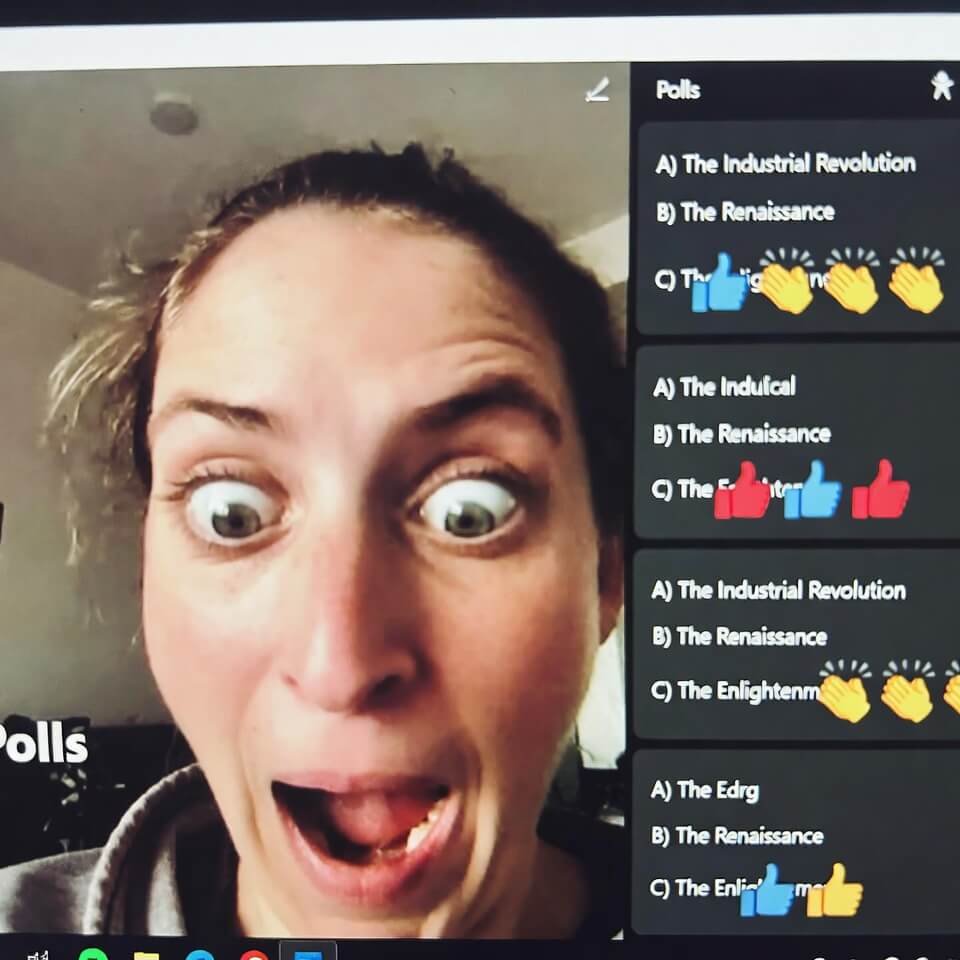
And don’t forget accessibility; subtitles and recordings help everyone, including me when I’m multitasking poorly.
Common Virtual Classroom Pitfalls to Dodge
Watch out for over-reliance on tech – I did, and paid with frustration. Also, building community is tough; I make an effort to DM classmates now, turning virtual classrooms into actual networks.
Wrapping Up This Virtual Classrooms Ramble
So yeah, virtual classrooms are here to stay, flaws and all – they’ve saved my butt more times than I can count, even if they’ve led to some cringey moments. It’s my imperfect American take, sitting here with traffic humming outside my window, pondering the next online session. If you’re dipping in, start small, embrace the mess. Hey, what’s your wildest virtual classroom story? Drop it in the comments or hit me up – let’s chat about making remote education less sucky.